info@conservationkenya.org Lemon’go – Amboseli. +254-736-389-044

Follow Us
echofy Environmental Stewardship

Rebuilding the landscapes, people and wildlife depend on

Rebuilding the landscapes, people and wildlife depend on CHD supports healthier habitats, stronger soils and more resilient ecosystems across Amboseli by creating woodlands and restoring degraded land with indigenous vegetation.

echofy Tupende Mazingira

Restoring Amboseli through community-led action
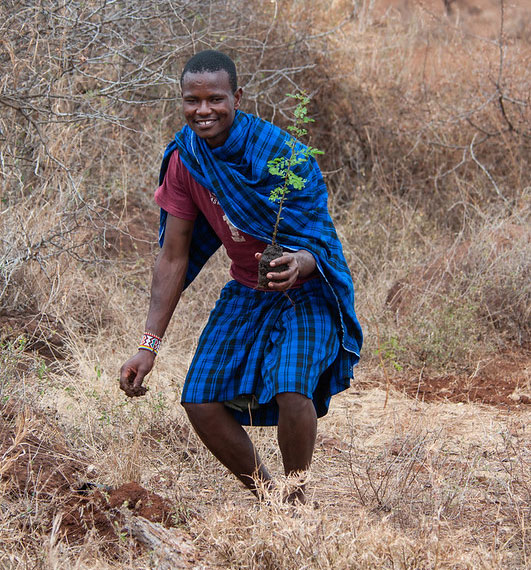
Across parts of Amboseli, drought, vegetation loss, land degradation and pressure on natural resources are weakening the resilience of the landscape. As tree and vegetation cover declines, soils become more exposed, shade is lost, habitats shrink and both communities and wildlife become more vulnerable to climate stress.

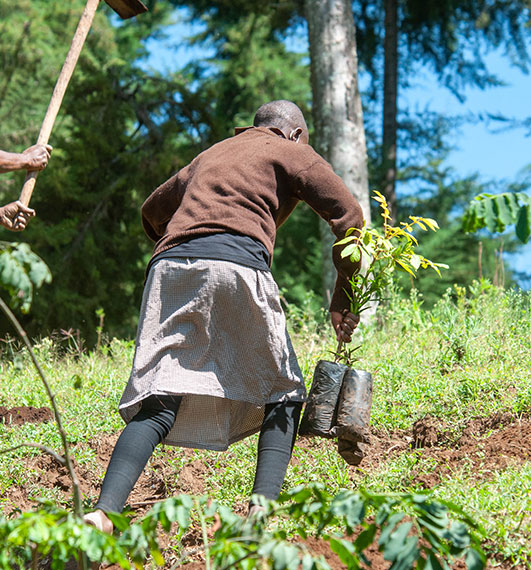
Tupende Mazingira is CHD’s community restoration programme responding to this challenge through indigenous tree growing, community participation and practical conservation education.

By bringing people directly into the restoration process, the programme helps communities understand the value of healthy landscapes while actively contributing to their recovery. In this way, restoration becomes about rebuilding local ownership of the landscape as well as planting trees.

What we Do

Through Tupende Mazingira, CHD works with communities to restore degraded areas using indigenous vegetation, support community tree planting, strengthen understanding of the ecological value of native species, encourage long-term care of planted trees, and connect restoration with conservation education and community stewardship.

This approach helps rebuild habitats, improve soil health, increase shade, support biodiversity and strengthen the resilience of both communities and wildlife. By involving communities directly, restoration becomes a locally owned investment in the future of the landscape.

Impact

Community members participating in restoration
0 K
Indigenous seedlings planted through the programme
0 K
Degraded land under restoration
0 K
echofy Indigenous Tree Nursery

Growing the foundations of a healthier landscape

Successful restoration begins long before a tree is planted. In a dryland ecosystem like Amboseli, species need to be suited to local soils, rainfall patterns and ecological conditions if they are to survive and contribute meaningfully to landscape recovery.

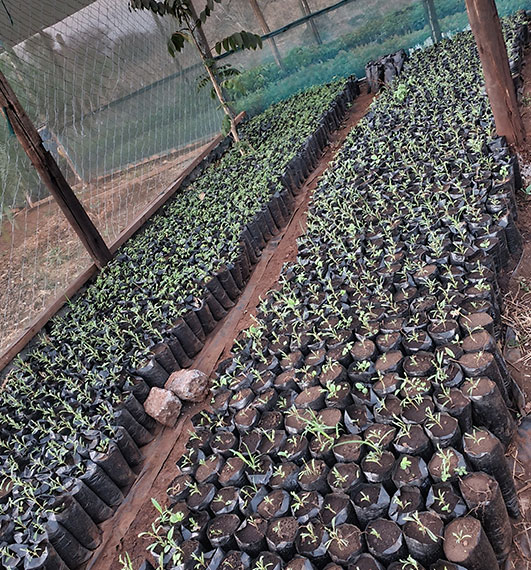
CHD’s Indigenous Tree Nursery responds to this challenge by propagating locally appropriate indigenous species close to where they will eventually be planted.

By growing healthy seedlings for community and restoration sites, the nursery strengthens the supply of trees needed to restore degraded habitats, rebuild woodland and support more resilient ecosystems across Amboseli.

What we Do

CHD’s Indigenous Tree Nursery collects and propagates locally appropriate indigenous species, raises healthy seedlings for restoration, supports strong seedling establishment before planting, distributes seedlings to community restoration sites, works with schools and communities on indigenous planting, and builds knowledge around native tree species and their ecological value.

By ensuring a reliable supply of healthy, locally adapted trees, the nursery creates the foundation for restoration at scale. These indigenous species provide food, shade and habitat, support biodiversity, and are better suited to the ecological conditions of Amboseli.

Impact

Indigenous trees cultivated
0 K
Seedlings distributed
0 K
Indigenous species propagated
0 K
echofy School Greening

Growing greener schools and future conservation stewards

Schools are important community spaces, but in dryland areas such as Amboseli, many learning environments have limited tree cover, shade and vegetation.

CHD’s School Greening programme works with schools to establish indigenous trees and greener learning spaces that improve the school environment while giving young people practical experience in caring for nature.

The programme turns schools into places where conservation is not only taught, but practised.

What we Do

CHD works with schools to establish indigenous trees and vegetation, create greener and more shaded learning environments, involve students and teachers in planting and tree care, build practical knowledge around native species, strengthen environmental clubs and conservation activities, and encourage long-term stewardship of school green spaces.

This work helps create cooler, healthier and more attractive school environments while giving students direct experience of conservation in action. By caring for trees over time, young people build a stronger connection to the environment and a deeper understanding of their role in protecting it.

Impact

Schools participating in greening initiatives
0 K
Indigenous trees planted in schools
0 K
Seedling survival rate
0 K
Students involved in planting and tree care
0 K

Story from the field