Our Approach
Conservation begins with the people who call the landscape home.
‘Kenyan conservation will not work unless we spend time with the people, understanding their aspirations, pain and disappointment’
Dr Winnie Kiiru
CHD Conservation Kenya works alongside communities in Amboseli to protect wildlife, restore degraded landscapes and build livelihoods that make coexistence possible.
years advancing
community-led conservation
in Amboseli
How We Protect a Shared Landscape
Our work connects wildlife protection, habitat restoration, community resilience and conservation leadership because in Amboseli, each depends on the others.
Wildlife & Coexistence
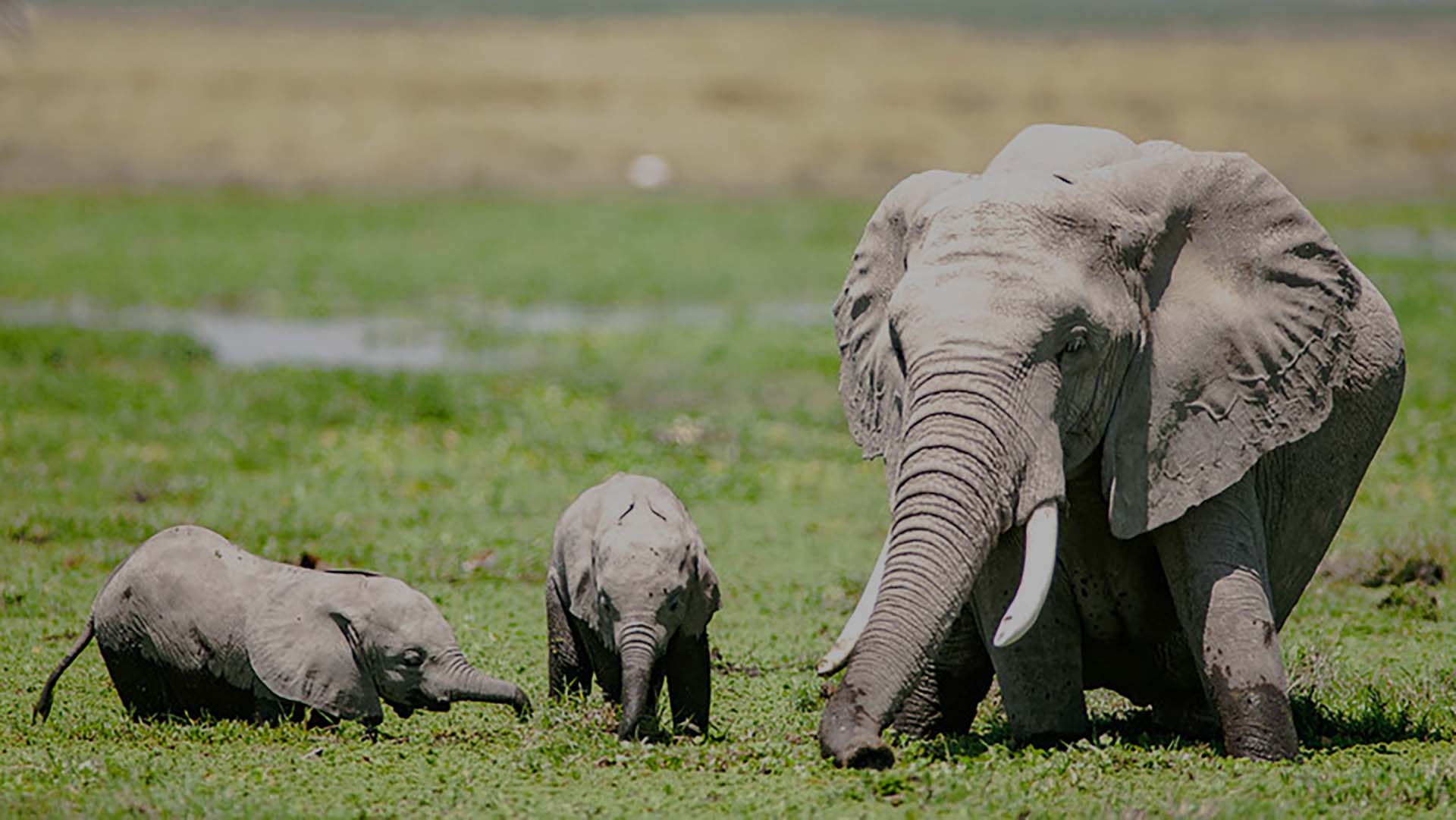
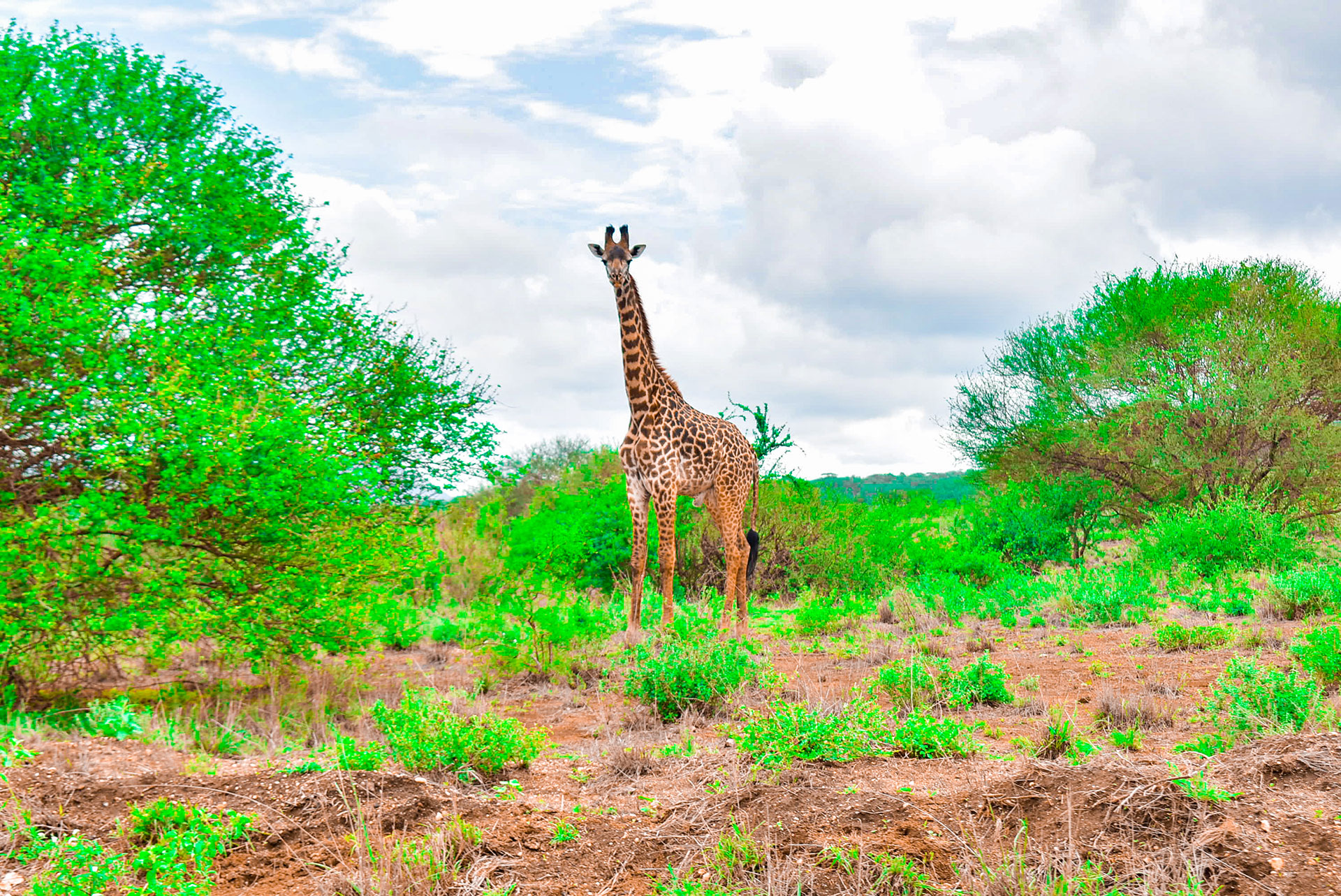
CHD works with communities and conservation partners to reduce pressure on wildlife, strengthen coexistence and protect the landscapes species depend on.
Eco - Stewardship
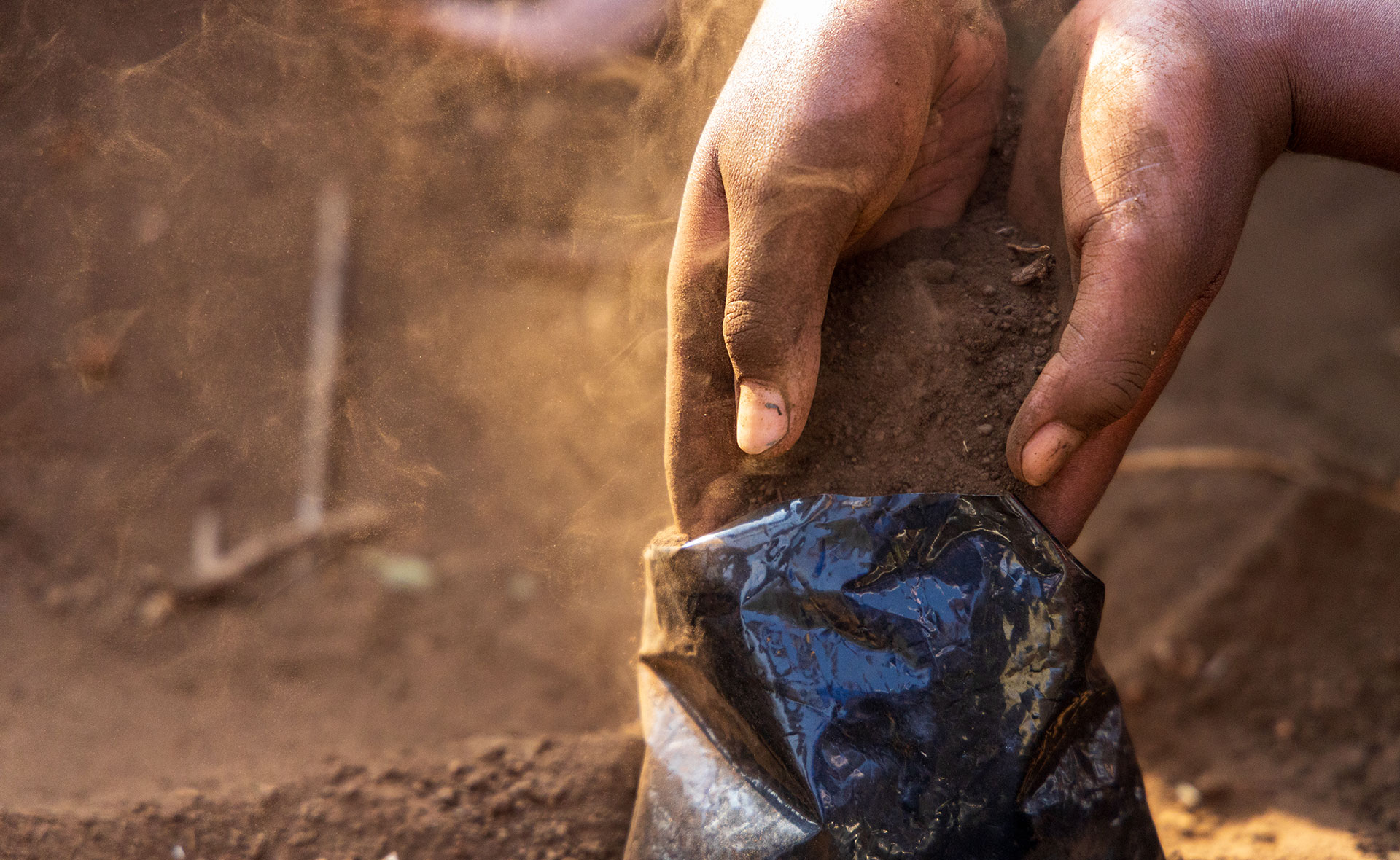
CHD supports healthier habitats, stronger soils and more resilient ecosystems across Amboseli by creating woodlands and restoring degraded land with indigenous vegetation.
Climate-Resilient Livelihoods
CHD supports practical livelihood solutions, including climate-smart kitchen gardens, that strengthen food security and reduce pressure on natural resources.
Conservation Leadership & Education
Through education, mentorship, citizen participation and youth programmes, CHD helps communities build the knowledge and leadership needed to protect their environment.
How We Create Lasting Change
CHD’s approach is rooted in a simple belief: the future of wildlife in Amboseli depends on the willingness and ability of local communities to coexist with wildlife and share land and resources harmoniously.
To make that possible, we focus on three connected pathways: strengthening community leadership, promoting environmental stewardship through indigenous tree production and education, and supporting sustainable livelihoods that link conservation to everyday life.
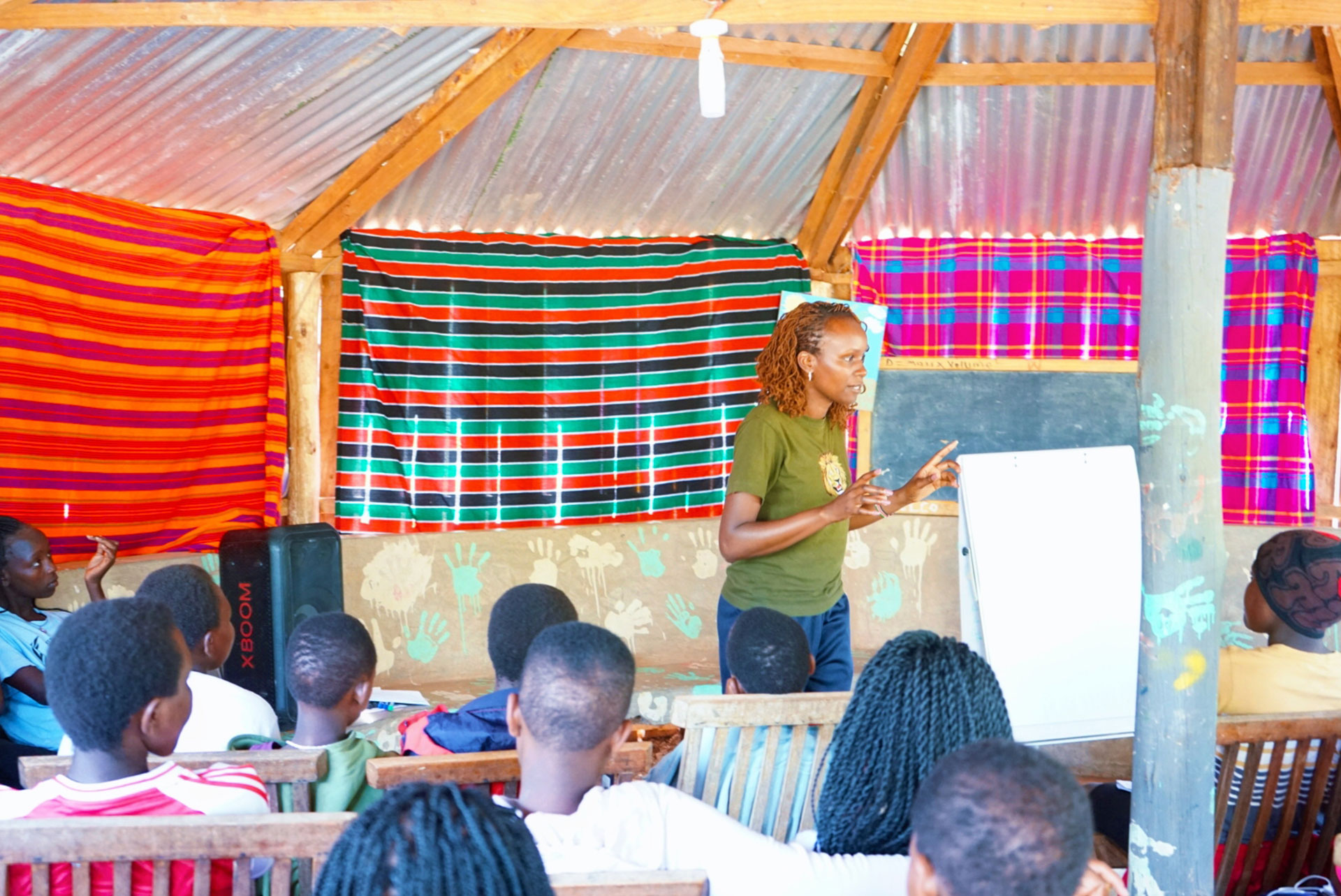
We invest in people who can carry conservation forward by building the confidence, skills and ownership communities need to lead lasting conservation. Through mentorship and active community engagement, CHD helps nurture local leadership, especially among women and young people, so conservation becomes more locally driven and sustainable.
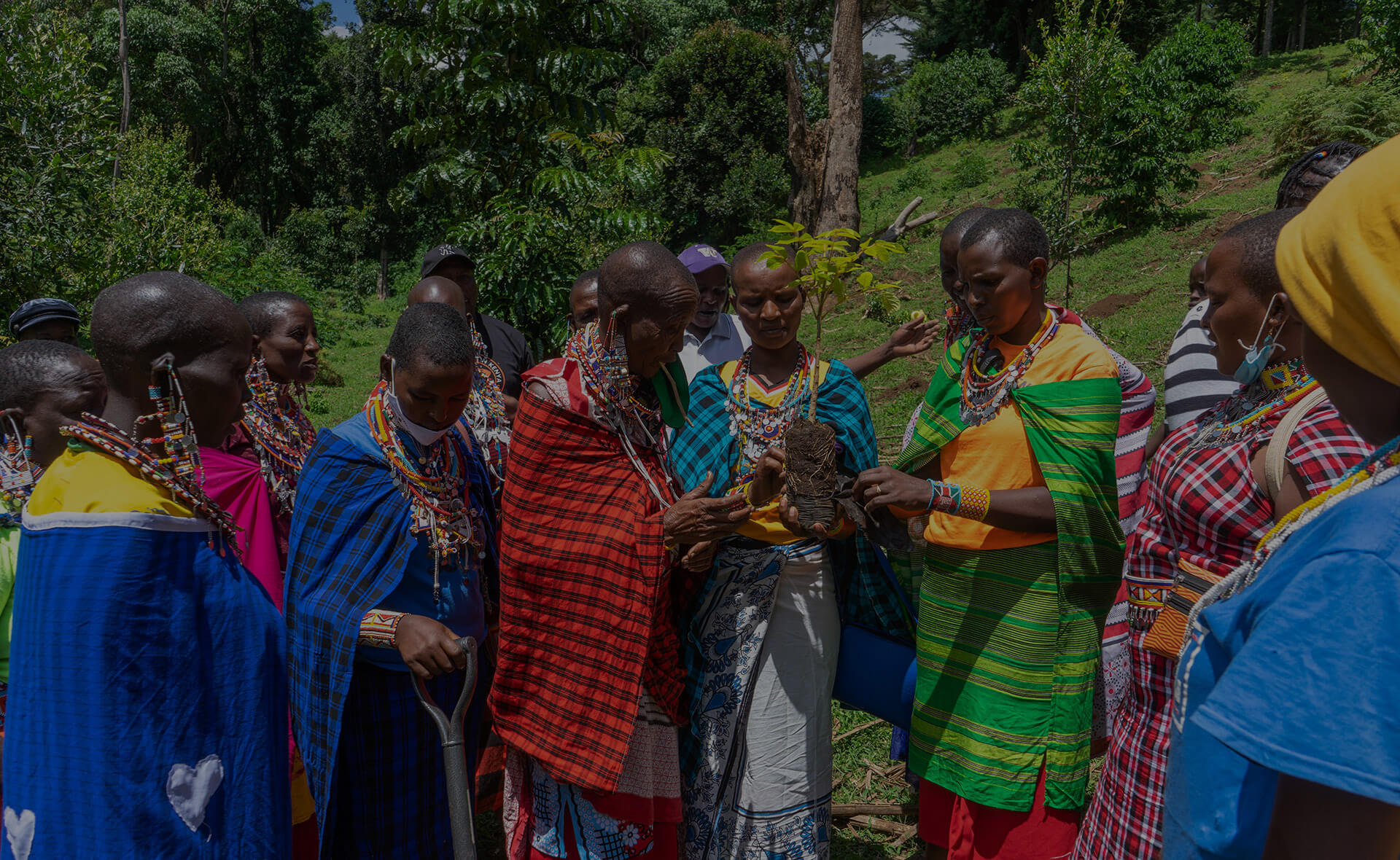
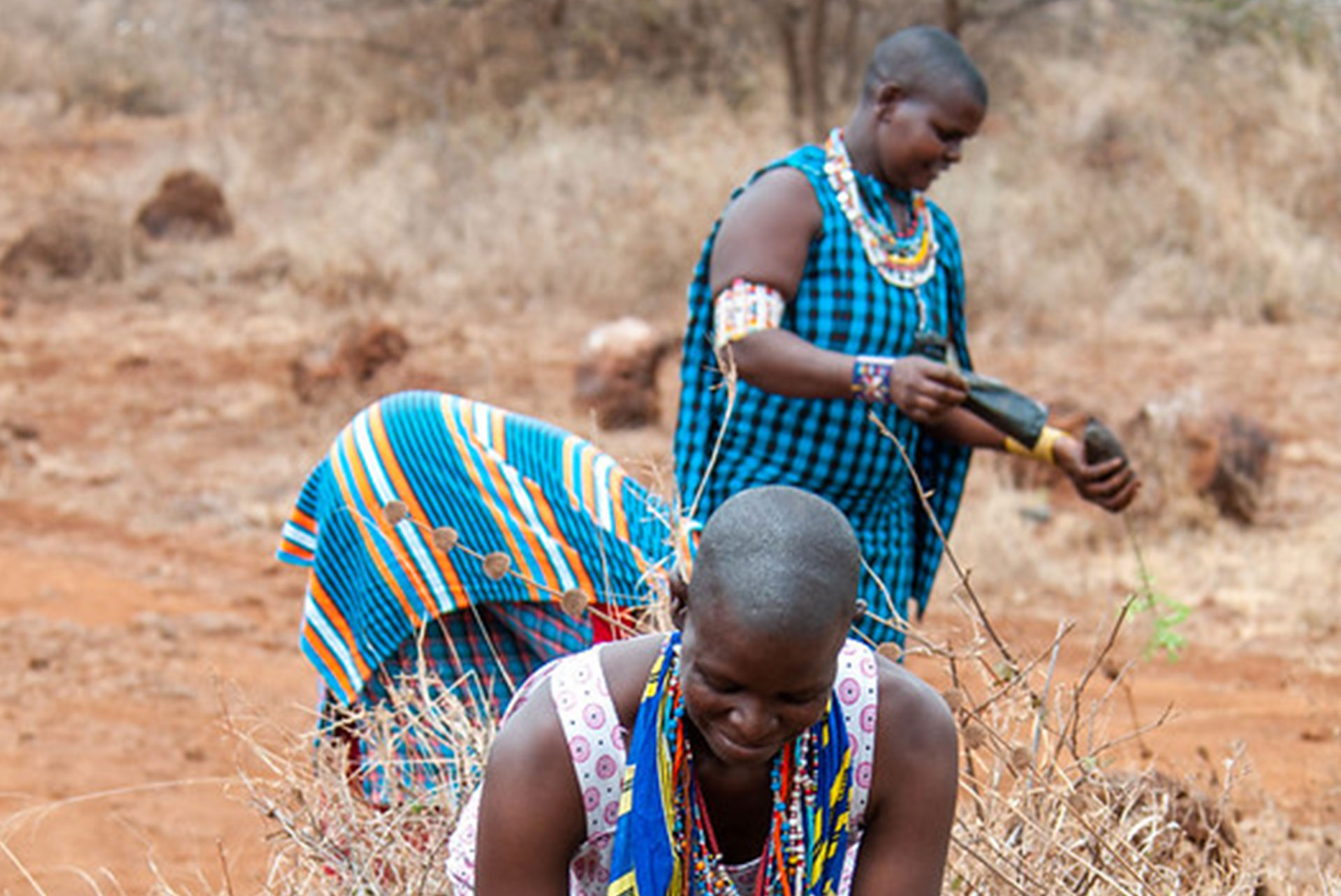
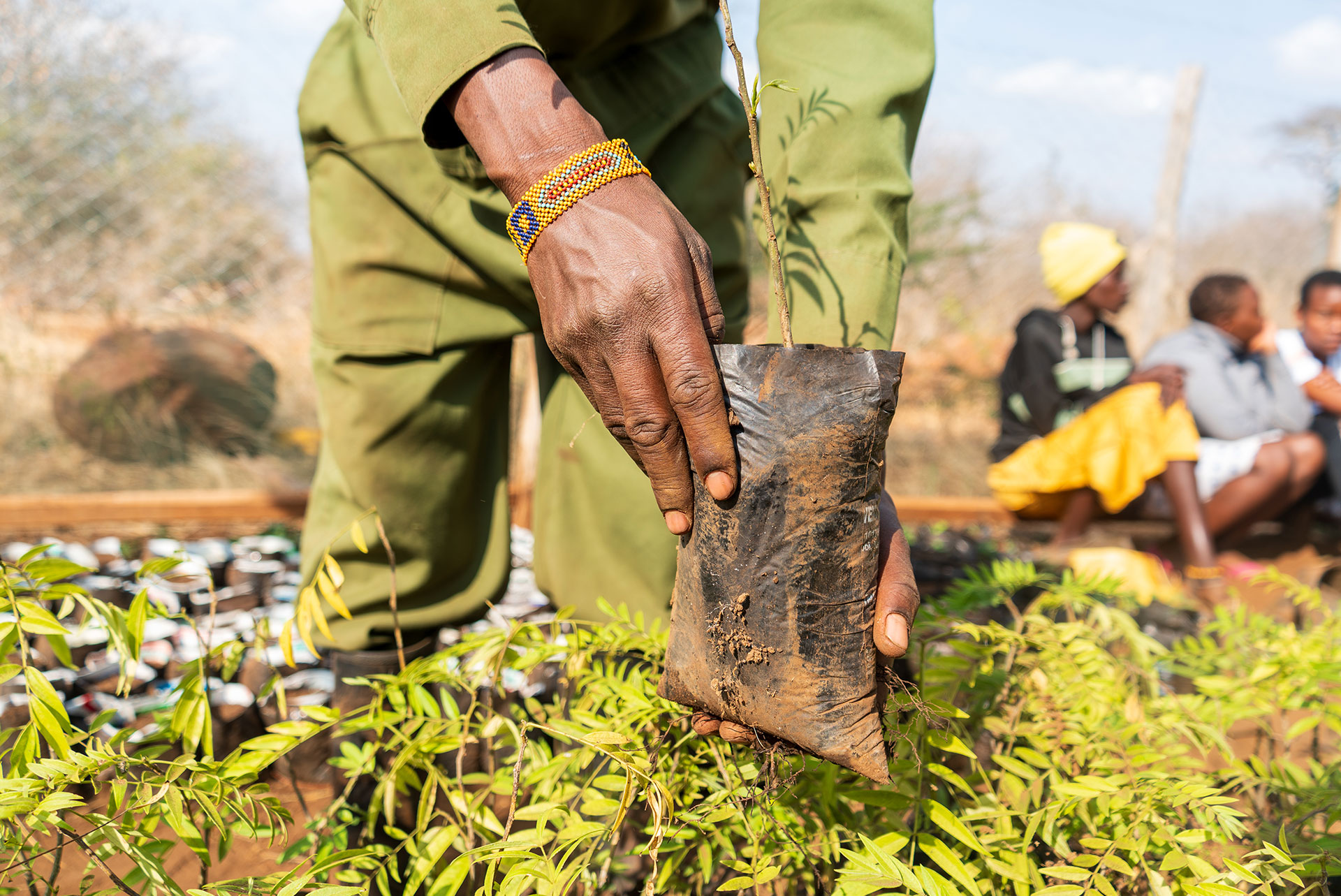
We promote environmental stewardship by supporting indigenous tree production and practical conservation education that helps communities understand the connection between healthy ecosystems, climate resilience and their own wellbeing. This work strengthens local knowledge while contributing to habitat restoration and nature-based adaptation.
We support sustainable livelihood development that helps families strengthen food security, household income and resilience while reducing pressure on the natural environment. By linking conservation to everyday wellbeing, CHD helps make coexistence more practical, relevant and sustainable for communities.
When conservation is embedded in everyday community life, it builds long-term ownership, behaviour change and ecological resilience.
CONSERVATION IN ACTION
From seedling to landscape restoration
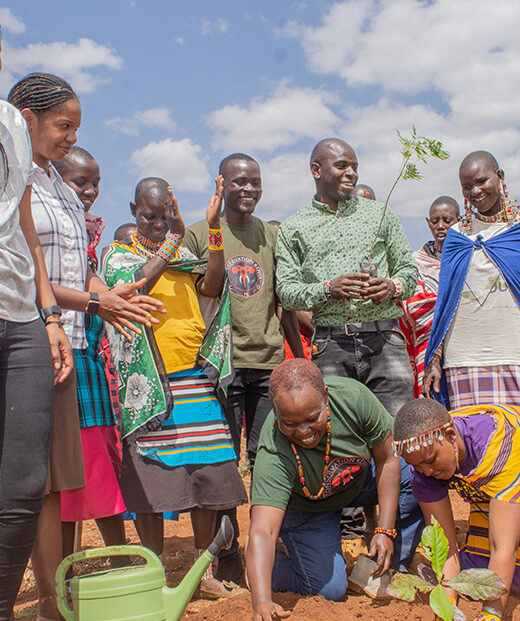
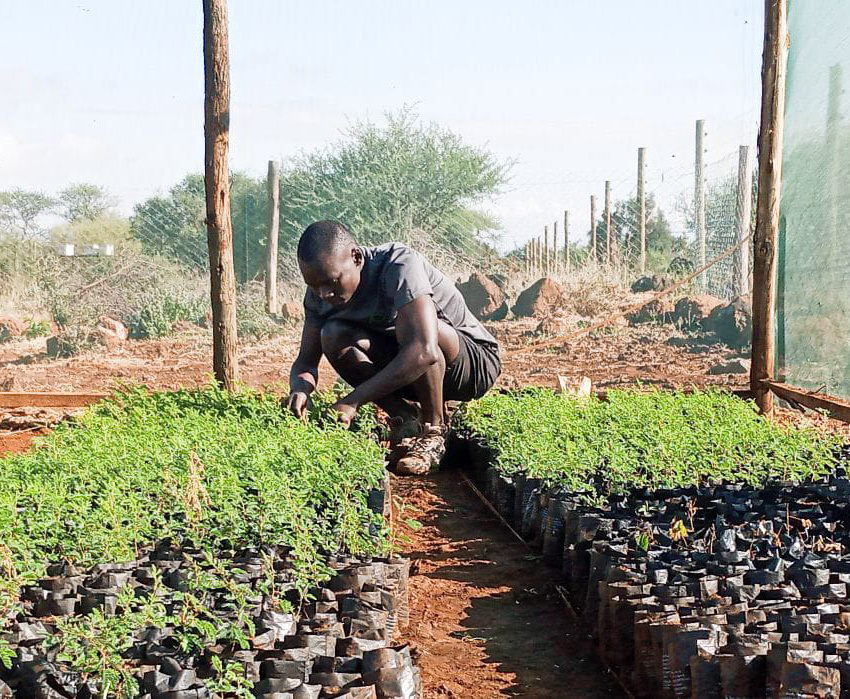
Tupende Mazingira began with an indigenous tree nursery in Amboseli. Today, it demonstrates how restoration, conservation education and community participation can work together to rebuild healthier landscapes.


Impact Across Amboseli
Supporting line: Every number represents a community, landscape or conservation action contributing to a more resilient Amboseli ecosystem.
Growing the foundation for restored woodland and healthier habitat.
Supporting community-led restoration across degraded areas.
Building local knowledge, participation and ownership of conservation.
Introducing young people to practical conservation and environmental stewardship.
LATEST BLOG
From the Field
Field stories, conservation perspectives and updates from across Amboseli.

Answering the Boys’ Call: Empowering Lemong’o Youth at Amboseli Camp.
August 2024 Girls’ Mentorship Camp Highlights.
Project Sikilizeni’s Memorable Visit to Tsavo West National Park.
Our Conservation Partners
Our work is strengthened through collaboration with communities, conservation organizations, government agencies and development partners.”